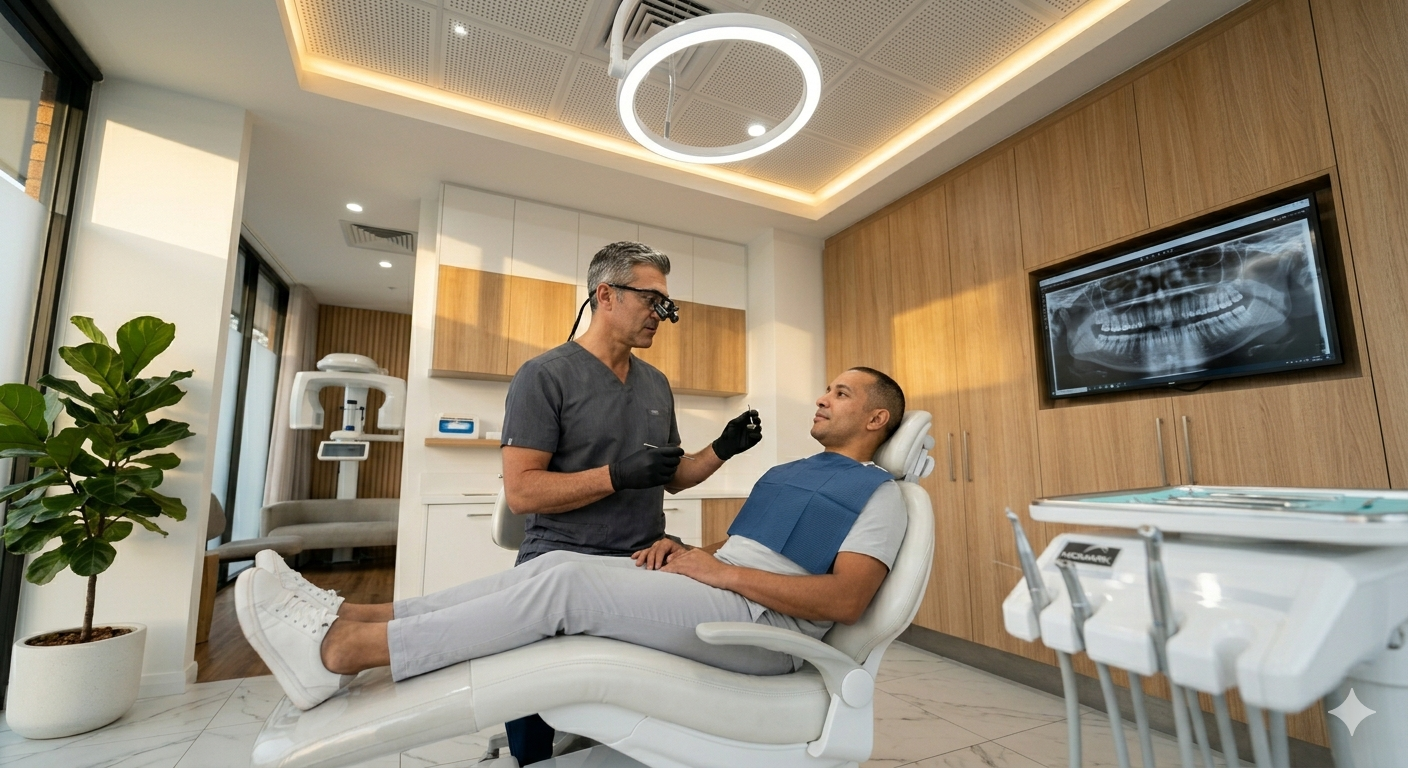
When a dental emergency strikes in Clermont, FL, knowing where to turn can make all the difference. Whether it’s a sudden toothache, a knocked-out tooth, or a cracked crown, timely care is crucial to prevent further damage and ease discomfort. An emergency dentist in Clermont, FL, offers prompt treatment to address urgent dental issues and help patients quickly get back to feeling their best.
Emergency dental services are designed to be accessible and efficient, providing expert care outside of regular office hours. These dentists understand that accidents don’t follow a schedule, so they prioritize patient comfort and use modern techniques to manage pain and restore your smile.
If someone in Clermont faces a dental crisis, reaching out to an emergency dentist ensures expert guidance and immediate support. It’s always best to act quickly and consult with a trusted professional who can provide calm, effective care when it’s needed most.
Recognizing Dental Emergencies
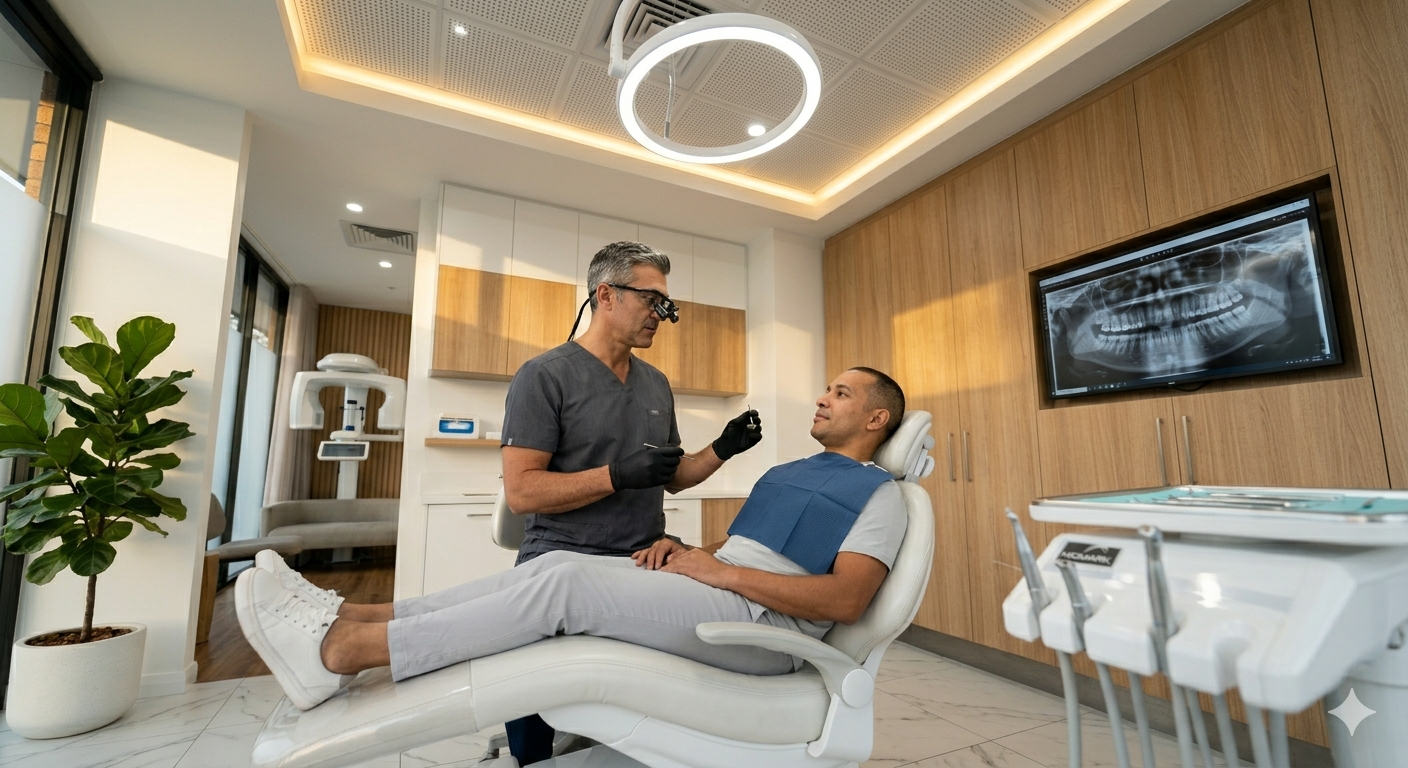
Identifying when a dental issue requires immediate attention can prevent complications and ease discomfort. Certain symptoms and causes clearly indicate the need for urgent care. Knowing when to act fast supports better outcomes and faster relief.
Signs You Need Urgent Dental Care
Severe pain that won’t subside with over-the-counter medication is a major warning sign. Uncontrolled bleeding from the gums or mouth, especially after an injury, demands prompt treatment.
Other signs include swelling of the face or gums, a lost or knocked-out tooth, and visible infection such as pus or fever. Difficulty breathing or swallowing caused by dental problems needs emergency care without delay.
If the pain disrupts sleep or daily activities, it’s best not to wait. Emergency dentists in Clermont FL prioritize quick, effective relief for these conditions.
Common Causes of Unexpected Tooth Pain
Sudden tooth pain often comes from a dental abscess—a painful, infected pocket near the tooth root. It usually results from untreated cavities or gum disease.
Other causes include cracked or fractured teeth, which may not be immediately visible but cause sharp pain when biting. Sensitivity from exposed nerves after a filling falls out or from severe decay is frequent too.
Sometimes, pain relates to sinus infections or grinding teeth, but dental causes should be ruled out early. Prompt diagnosis helps stop damage and reduces discomfort effectively.
When to Seek Immediate Help
Seek help immediately if there is a knocked-out tooth. Recovery chances improve significantly within the first hour if handled by a dentist. Also, go to the emergency dentist if there’s uncontrollable bleeding or severe trauma to the mouth.
Signs of infection like fever, swelling that worsens, or difficulty opening the mouth require urgent dental attention. Early treatment helps prevent the spread of infection and serious complications.
If uncertain about the severity, calling an emergency dental clinic for advice is recommended. Getting a professional assessment quickly can save teeth and reduce pain.
What To Expect During Your Emergency Visit
When you arrive for an emergency dental visit in Clermont, the team acts quickly to relieve pain and identify the issue. They focus on your comfort and clear communication, so you feel informed every step of the way. After treatment, you’ll get a straightforward plan for healing and follow-up care.
Rapid Assessment and Comfort Measures
The dentist will start by quickly evaluating the problem to determine how urgent the situation is. This includes asking about your symptoms, examining the affected area, and possibly taking X-rays.
Pain relief is a top priority. They may apply local anesthesia or recommend over-the-counter painkillers to manage discomfort right away. If swelling is present, cold compresses or anti-inflammatory medication might be suggested.
This prompt approach helps stabilize your condition and sets the stage for effective treatment. Staff members often offer reassurance to reduce any anxiety during this initial phase.
Communication With Your Dental Team
Clear communication is important throughout your visit. The dentist will explain what they see, the cause of your emergency, and the treatment options available.
They encourage questions to make sure you fully understand the procedures. This helps avoid surprises and builds trust.
Treatment plans are discussed openly, including costs and timelines, so you can make informed decisions. The dental team also shares advice on how to protect your mouth during recovery.
Next Steps After Your Appointment
Following your emergency visit, you’ll receive specific instructions to care for your teeth and gums at home. This can include guidance on diet, oral hygiene, and medication use to prevent complications.
The dentist might recommend scheduling a follow-up to complete any necessary treatments, such as fillings, root canals, or crowns.
If the injury is severe, referrals to specialists like oral surgeons could be arranged.
Keeping regular appointments and following aftercare directions supports a smooth recovery and helps avoid future emergencies.
Available Emergency Treatments in Clermont
Emergency dental care in Clermont focuses on quick relief and effective solutions tailored to each urgent situation. These treatments address severe pain, tooth damage, and infections with a priority on comfort and preventing further complications.
Pain Relief Solutions
When someone faces intense tooth pain or sensitivity, immediate relief is critical. Dentists often begin with a thorough examination to identify the cause, whether it’s a cavity, abscess, or nerve irritation.
Common pain relief methods include local anesthesia to numb the area, along with prescribing over-the-counter or stronger medications. For intense pain, dentists may use dental lasers or prescribe antibiotics if infection causes discomfort. They also offer advice on at-home care, like cold compresses or saltwater rinses, to ease pain before more advanced treatment.
Restorative Procedures for Cracked or Lost Teeth
Cracked or knocked-out teeth require prompt attention to maximize the chance of saving them. If a tooth is cracked, dentists often use bonding materials or dental crowns to repair and protect the damaged area. These procedures restore both the function and appearance of the tooth.
For teeth that are completely lost due to trauma, emergency dentists may attempt re-implantation if the tooth is preserved properly and brought to the clinic quickly. In other cases, temporary solutions such as dental bridges or partial dentures are used until a permanent fix, like an implant, is possible.
Care for Infections and Swelling
Dental infections and swelling can become dangerous if left untreated. Emergency care often starts with drainage of any abscess and a course of antibiotics to clear the infection.
Dentists will assess the seriousness of the infection and may perform root canal therapy if the infection involves the tooth’s pulp. Managing swelling includes applying cold packs and recommending anti-inflammatory medications. Early treatment helps avoid the spread of infection, protecting overall oral and general health.
How To Handle Dental Emergencies at Home
When dealing with a dental emergency, quick and calm action can make a big difference. It’s important to know how to protect the affected tooth, reduce pain, and prevent further damage while waiting for professional care.
First Steps for Managing Knocked-Out Teeth
If a tooth is completely knocked out, time is critical. Handle the tooth carefully by the crown (the white part), avoiding touching the root to prevent damage to the cells needed for reattachment.
Rinse the tooth gently with water if it’s dirty, but do not scrub or use soap. If possible, try to place the tooth back into its socket immediately and hold it in place by biting down gently on a clean cloth.
If reinsertion isn’t possible, keep the tooth moist by placing it in a container with milk, saline solution, or saliva. Avoid using plain water as it can damage the root surface. Then, seek emergency dental care as soon as possible—ideally within 30 minutes.
Temporarily Easing Tooth Pain
For sudden tooth pain, rinsing the mouth with warm salt water can reduce swelling and cleanse the area. Over-the-counter pain relievers like ibuprofen can help manage discomfort, but avoid placing aspirin directly on the gum or tooth as this can cause irritation.
Applying a cold compress to the outside of the cheek may reduce swelling and numb the pain. Avoid very hot, cold, or sweet foods that might increase sensitivity until the tooth is treated.
If swelling, fever, or severe pain develops, it is important to contact an emergency dentist immediately, as these can signal infection requiring prompt treatment.
Protecting Broken Dental Work
When a filling or crown breaks, it’s essential to protect the exposed area to prevent further damage or pain. Rinse the mouth with warm water to clean it, and apply dental wax or sugar-free chewing gum over sharp edges to prevent irritation to the mouth’s soft tissues.
If there’s persistent pain, use over-the-counter pain relievers and avoid chewing on the affected side. Save any broken pieces and bring them to the dentist. Prompt repair helps avoid complications such as infection or tooth decay.
Aftercare and Healing Guidance
Proper care after emergency dental treatment is essential for a smooth recovery. Paying attention to oral hygiene, diet, and any unusual symptoms helps prevent complications and supports healing.
Caring for Your Smile After Treatment
After an emergency dental visit, avoiding intense physical activity for at least 24 hours is wise. Patients should rinse gently with warm salt water to reduce swelling and keep the area clean. Brushing and flossing should continue carefully but avoid the treated spot to prevent irritation.
Using a cold compress can ease discomfort and swelling during the first 48 hours. If prescribed, antibiotics or pain medications must be taken exactly as directed. Sticking to these steps encourages faster healing and maintains oral health.
Diet Tips for Recovery
Soft foods like yogurt, mashed potatoes, and scrambled eggs are ideal in the days following dental emergencies. Avoid very hot, cold, crunchy, or sticky foods that might irritate sensitive areas or dislodge any dental work.
Staying hydrated with water is important, but drinks with caffeine or alcohol should be limited as they can slow healing. Avoid using straws to prevent creating suction that may disturb a blood clot or sutures.
Warning Signs to Watch For
Persistent pain lasting more than a few days despite medication could indicate infection or other issues requiring attention. Watch for swelling that worsens or spreads beyond the treated area.
Bleeding that doesn’t stop after careful pressure should be reported promptly. Fever, pus, or a bad taste in the mouth also signal the need for follow-up care. Early action can prevent minor problems from turning serious.
Preventing Future Dental Emergencies
Avoiding dental emergencies often starts with daily care and smart habits. Staying consistent with dental visits and using protective gear can save patients from unexpected pain and costly treatments.
Healthy Habits for Oral Protection
Good oral hygiene reduces the risk of infections and damage that lead to emergencies. Patients should brush twice a day with fluoride toothpaste and floss daily to clear food particles and plaque.
Eating a balanced diet low in sugary snacks helps prevent cavities. Avoiding chewing on hard objects like ice or pens reduces the chance of cracked teeth. Smoking cessation is also critical, as tobacco weakens gums and delays healing.
Encouraging patients to rinse their mouths after meals and limit acidic drinks can protect enamel. These small steps keep teeth strong and lower the chances of sudden problems.
The Importance of Regular Check-Ups
Routine dental visits catch issues before they become emergencies. Twice-yearly cleanings and exams allow dentists to spot cavities, gum disease, or teeth grinding early.
Dentists often use X-rays during check-ups to examine areas not visible to the naked eye. This helps detect root decay or underlying infections. Early treatment is less invasive and often less expensive.
Patients should discuss any discomfort, sensitivity, or unusual symptoms with their dentist immediately. Prompt attention at a check-up can prevent urgent situations later on.
Custom Mouthguards for Active Lifestyles
For those who play sports or grind their teeth at night, custom mouthguards offer vital protection. These devices cushion teeth from impact and prevent chips or fractures.
A mouthguard made by a dentist fits precisely, providing better comfort and effectiveness than store-bought versions. It can also protect dental work like crowns and bridges.
Nightguards relieve damage from teeth grinding by absorbing pressure. Patients should consult their dentist to get fitted, especially if they experience jaw pain or frequent headaches.
Wearing a custom mouthguard reduces emergency visits linked to sports injuries and bruxism significantly.
Finding a Trusted Clermont Dental Practice
Choosing the right dentist is important during an emergency. Patients need clear criteria to identify trustworthy care and relevant questions to ask before making their decision.
Qualities of a Reliable Emergency Dentist
A dependable emergency dentist in Clermont should have flexible hours, including evenings and weekends, to handle urgent cases promptly. Experience in various emergency procedures, like treating severe toothaches, broken teeth, or knocked-out teeth, is essential.
Look for a practice that uses modern technology, such as digital X-rays and pain management tools, which improve diagnosis and comfort. Friendly, calm staff who explain treatments clearly help reduce anxiety.
Checking patient reviews and seeking recommendations from local health providers can provide insight into a dentist’s reliability. Clean, well-maintained facilities also reflect a commitment to quality care.
What to Ask When Choosing Your Provider
Before selecting a dentist, inquire about availability — can they see you immediately during a dental emergency? It helps to know if the practice offers after-hours phone support or walk-in options.
Ask about the types of emergencies they treat. Some clinics may not handle severe trauma or infections, so understanding the scope of their emergency services is important.
Discuss payment and insurance policies upfront. Knowing if they accept your insurance or offer payment plans can prevent added stress during a dental emergency.
Finally, ask about follow-up care. A good provider ensures they monitor recovery after emergency treatments, maintaining patient comfort and health beyond the initial visit.
Insurance, Payment, and Next Steps
Patients often worry about the cost and payment options when facing an emergency dental visit. Knowing how insurance works and what affordable alternatives exist can help ease concerns and make prompt care more accessible.
Understanding Costs and Coverage
Emergency dental treatments in Clermont, FL, vary based on the severity and type of care needed. Common procedures like tooth extractions or root canals typically have different pricing depending on the clinic and materials used.
Dental insurance often covers a portion of emergency services, but coverage levels vary. Most plans include emergency exams, X-rays, and some basic treatments. Patients should verify if their policy covers urgent care and clarify deductibles or co-pays beforehand.
Providers usually accept major insurance plans like Delta Dental, Cigna, and Aetna. It’s important for patients to bring their insurance card and call ahead to confirm accepted plans to avoid surprises with billing.
Affordable Options for Immediate Care
For those without insurance or facing high out-of-pocket costs, many Clermont emergency dentists offer flexible payment plans or sliding scale fees. These options make urgent care more affordable and manageable.
Some clinics accept credit cards, CareCredit, or other financing solutions that allow spreading payments over time without high interest. This helps patients avoid delaying treatment due to financial stress.
Additionally, some dental offices provide discounts for prompt payment or programs designed for uninsured patients. Patients should ask about these options when scheduling their emergency visit to find the best fit for their budget.
Frequently Asked Questions
Knowing what to do during a dental emergency can make a big difference in treatment success and comfort. Quick actions for sudden pain, trauma, and infections often determine how well the situation is managed.
Do you offer 24-hour or same-day appointments for sudden tooth pain or swelling?
Many emergency dental clinics in Clermont, FL provide same-day appointments to address sudden toothaches or swelling. However, 24-hour services might be limited, so contacting the office immediately is key.
What should I do at home right now if I chip, crack, or knock out a tooth?
If a tooth is chipped or cracked, rinsing the mouth gently with warm water and applying a cold compress can reduce pain and swelling. For a knocked-out tooth, rinse it carefully and try to place it back in the socket or keep it in milk while getting emergency care quickly.
When is it better to go to the ER versus seeing a dentist for a dental emergency?
Go to the ER if there is severe facial trauma, uncontrolled bleeding, or signs of a serious allergic reaction. For toothaches, infections, or broken teeth without life-threatening symptoms, it is best to see an emergency dentist directly.
Can you help if I don’t have a regular dentist or I’m new to the area?
Emergency dentists in Clermont often accept new patients without prior dental history. They make every effort to provide prompt care and help patients get on track with regular dental visits afterward.
How much does an urgent dental visit usually cost, and do you have affordable payment options?
The cost for an emergency dental visit varies, typically ranging from $100 to $300, depending on the treatment needed. Many offices offer payment plans, accept insurance, or provide financing options to ease the financial burden.
What are the most common emergency treatments for severe toothaches, infections, or broken teeth?
Common treatments include tooth extractions, root canal therapy, and dental fillings or crowns for broken teeth. Antibiotics may be prescribed to control infections while pain relief options help manage discomfort until definitive care.