
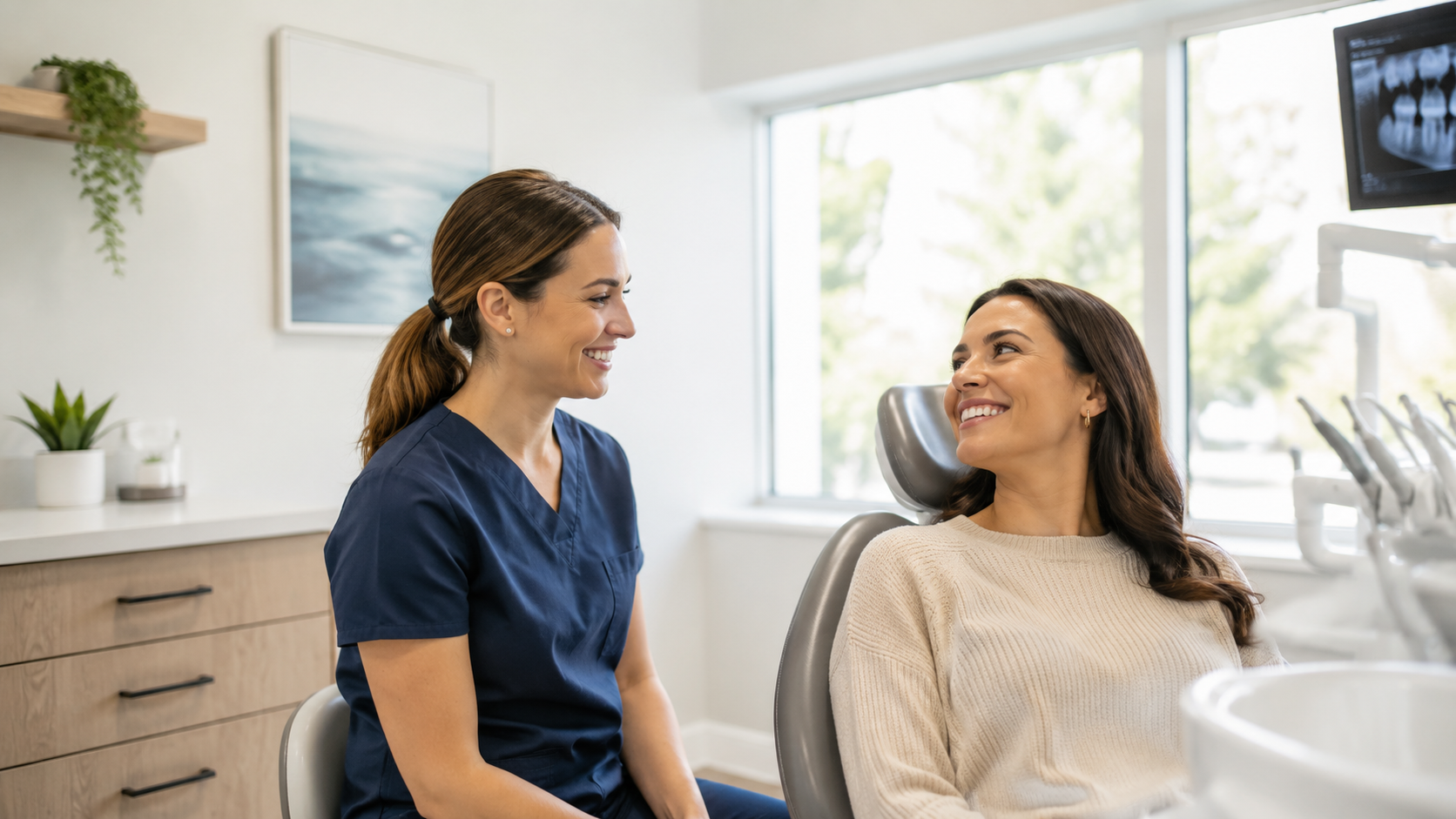
A straight smile can make a big difference in confidence, but orthodontics is about much more than appearance. Properly aligned teeth can be easier to clean, more comfortable to bite with, and better supported for long-term oral health. For patients researching orthodontics Clermont FL, understanding the basics can make the first step feel much less overwhelming.
Orthodontic care has changed a lot over the years. Today, patients may have options such as traditional braces, clear braces, or clear aligners, depending on their needs. Modern treatment focuses not only on tooth movement, but also on comfort, convenience, and helping patients maintain healthy habits throughout the process.
This article is for general educational purposes only and does not replace a dental or orthodontic evaluation. Patients should consult a qualified dental professional for personalized diagnosis, treatment recommendations, cost estimates, and recovery guidance.
What Orthodontics Really Means
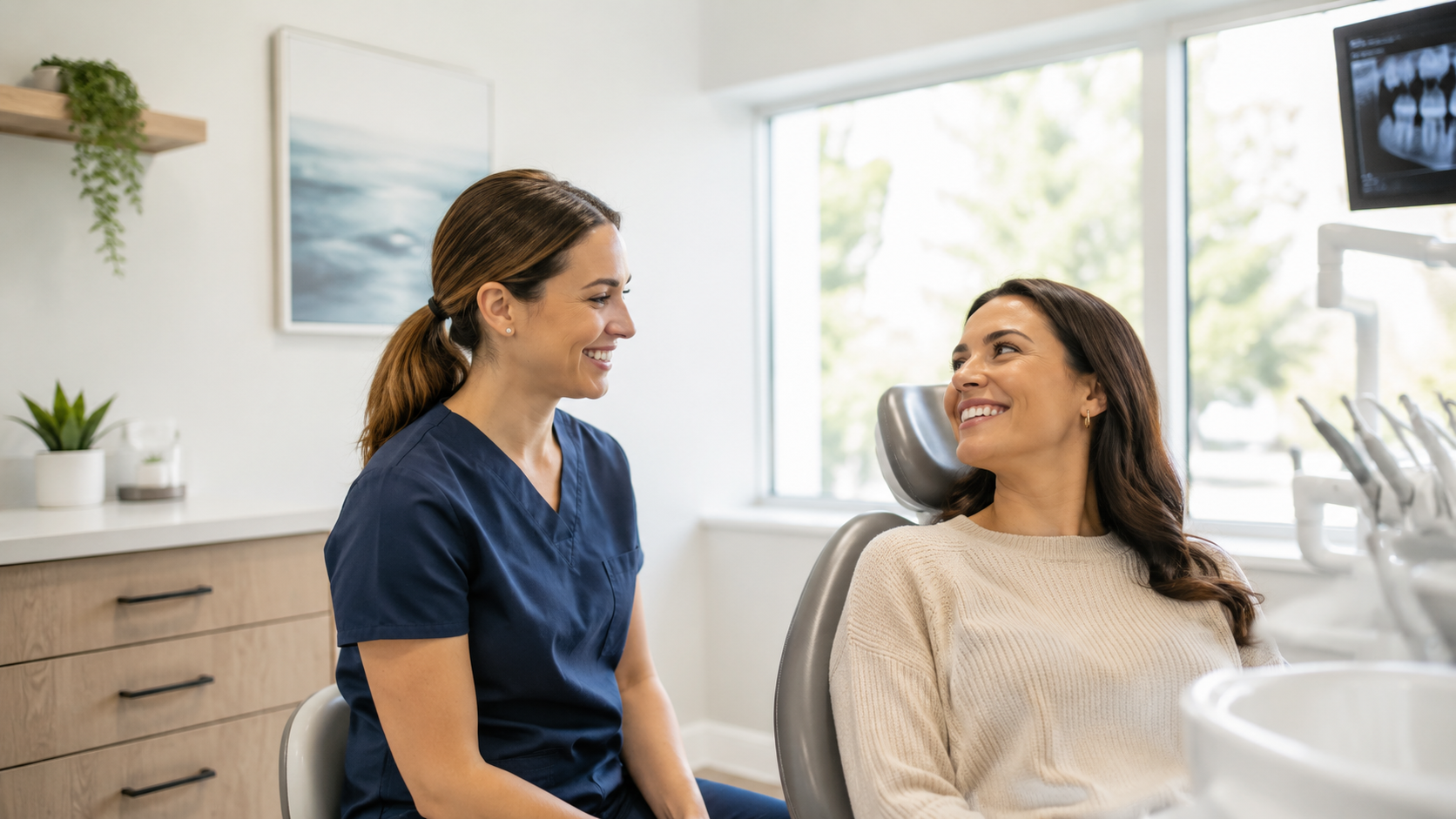
Orthodontics is the area of dentistry focused on correcting the position of teeth and jaws. While many people think of orthodontics as simply straightening crooked teeth, treatment may also address bite problems, spacing, crowding, and jaw alignment concerns.
When teeth do not fit together properly, dentists may refer to it as a malocclusion. This can include overbites, underbites, crossbites, open bites, crowded teeth, or large gaps between teeth. Some alignment issues are mild and mostly cosmetic. Others may affect chewing, speech, tooth wear, gum health, or the ability to clean between teeth effectively.
For many patients, orthodontic care is a long-term investment in oral health. Straighter teeth often make brushing and flossing easier, which can support cavity prevention and healthier gums. A balanced bite may also reduce uneven pressure on certain teeth.
Why Patients Look for Orthodontics in Clermont FL
Patients searching for orthodontics in Clermont FL are often looking for convenient, comfortable care close to home. Orthodontic treatment usually involves a series of visits, so location and scheduling can matter. A nearby dental team may make it easier for families, students, working adults, and busy parents to stay consistent with appointments.
Common reasons patients explore orthodontic treatment include:
- Crowded or overlapping teeth
- Spaces or gaps between teeth
- Teeth that have shifted after past orthodontic treatment
- Difficulty flossing because teeth are too tight
- Uneven bite or jaw discomfort
- Concerns about smile appearance
- A child’s developing bite or tooth eruption pattern
Some patients start with a cosmetic goal, such as wanting a more even smile for photos or professional settings. Others are referred by a dentist because alignment concerns may make preventive care more difficult. Both reasons are valid, and a consultation can help clarify what is possible.
Common Orthodontic Treatment Options
No single orthodontic option is right for every patient. The best choice depends on the type of tooth movement needed, the patient’s age, lifestyle, oral health, and personal preferences. A dental professional can explain the benefits and limitations of each option after an exam.
Traditional Metal Braces
Traditional braces use metal brackets and wires to guide teeth into better alignment over time. They are a reliable choice for many types of orthodontic concerns, including more complex bite or crowding issues.
Modern metal braces are typically smaller and more comfortable than many patients expect. Children and teens often enjoy choosing colored bands, while adults may appreciate how effective braces can be for comprehensive tooth movement.
Ceramic or Clear Braces
Ceramic braces work similarly to traditional braces, but the brackets are tooth-colored or clear. This can make them less noticeable in everyday conversation. They may be appealing for teens or adults who want the dependability of braces with a more discreet look.
Because ceramic brackets may require extra care to avoid staining or damage, patients should follow home-care and diet instructions closely.
Clear Aligners
Clear aligners are removable trays designed to gradually move teeth. Many adults and teens like aligners because they are nearly invisible and can be removed for eating, brushing, and flossing.
Aligners require consistency. Patients usually need to wear them for the recommended number of hours per day to stay on track. They may be a strong option for mild to moderate alignment concerns, though some cases still benefit from braces or another approach.
Retainers After Treatment
Retention is an important part of orthodontic care. After teeth move into their new positions, retainers help maintain the results. Without a retainer, teeth can gradually shift back over time.
Retainers may be removable or fixed behind the teeth. The dental team will explain how often to wear them and how to clean them properly.
When Should Children Have an Orthodontic Evaluation?
Parents often wonder when their child should first be checked for orthodontic concerns. Many dental professionals recommend an orthodontic evaluation around age 7, even if treatment is not needed right away. At this age, a child has a mix of baby teeth and permanent teeth, which can give helpful clues about jaw growth, bite development, and spacing.
An early evaluation does not mean a child will need braces immediately. In many cases, the dentist or orthodontic provider simply monitors growth and recommends treatment later if needed. For some children, early intervention may help guide jaw development, create room for incoming teeth, or address bite problems before they become more complicated.
Parents may want to ask about an orthodontic evaluation if they notice:
- Early or late loss of baby teeth
- Mouth breathing or thumb-sucking habits that continue for a long time
- Difficulty biting or chewing
- Teeth that meet awkwardly or not at all
- Jaw shifting, clicking, or uneven facial growth
- Very crowded teeth or noticeable spacing
Orthodontics for Adults: It Is Not Too Late
Many adults assume braces are only for children or teenagers, but adult orthodontics is very common. Teeth can be moved at many ages as long as the gums and bone supporting the teeth are healthy enough for treatment.
Adults may consider orthodontics because their teeth have shifted over time, they did not have braces as a child, or they want to improve their smile before restorative dental work such as crowns, bridges, or implants. Some adults also seek treatment because crowded teeth make it hard to floss or because their bite feels uneven.
Clear aligners and less visible braces have made orthodontic care more appealing for working professionals and busy adults. A consultation can help determine whether treatment is practical based on a patient’s oral health, goals, and schedule.
What to Expect at an Orthodontic Consultation
The first visit is usually a chance to gather information, discuss goals, and learn whether orthodontic treatment is recommended. Patients do not need to know exactly what they want before the consultation. It is perfectly fine to say, for example, that the front teeth feel crowded or that the patient wants to understand why the bite feels off.
A typical consultation may include:
- A review of dental and medical history
- A discussion of smile goals and concerns
- An exam of the teeth, gums, bite, and jaw
- Digital X-rays or scans, if needed
- Photos or impressions to help with treatment planning
- A conversation about options, estimated timeline, and next steps
The dental team may also check for cavities, gum disease, or other issues that should be treated before orthodontics begins. Healthy teeth and gums create a better foundation for safe tooth movement.
How Long Does Orthodontic Treatment Take?
Treatment time varies from person to person. Minor tooth movement may take several months, while more complex alignment or bite concerns may take a couple of years. The timeline depends on factors such as age, the severity of crowding or spacing, bite correction needs, and how well the patient follows instructions.
With braces, patients usually visit periodically for adjustments and progress checks. With clear aligners, patients typically change trays on a schedule and come in for monitoring. Missing appointments, losing aligners, broken brackets, or inconsistent aligner wear can slow progress.
During the consultation, patients can ask for a realistic estimated timeline. While no provider can guarantee an exact finish date, a personalized treatment plan can give a helpful range.
Does Orthodontic Treatment Hurt?
Orthodontic treatment should not be frightening, but some temporary soreness is normal. When braces are adjusted or a new aligner tray is started, teeth may feel tender for a few days. This happens because gentle pressure is guiding the teeth into new positions.
Patients often describe the feeling as pressure rather than sharp pain. Soft foods, cold drinks, orthodontic wax, and over-the-counter pain relief may help, if appropriate for the patient. A dental professional can offer guidance based on the patient’s health history.
If a wire pokes, a bracket breaks, or pain feels unusual or severe, patients should contact the dental office. Small adjustments can often make treatment much more comfortable.
Caring for Teeth During Orthodontic Treatment
Good home care is essential during orthodontic treatment. Braces, wires, and attachments can trap food and plaque, while aligners can hold bacteria against the teeth if they are not cleaned properly. Fortunately, a few simple habits can protect the smile during treatment.
Brushing and Flossing
Patients with braces should brush carefully around brackets and along the gumline. Interdental brushes, floss threaders, or water flossers can help clean between teeth and under wires. Patients with aligners should brush before putting trays back in whenever possible.
Food Choices
Patients with braces may need to avoid very sticky, hard, or crunchy foods that can bend wires or break brackets. Examples may include hard candies, sticky caramels, chewing ice, and biting directly into very hard foods. Clear aligner patients can remove trays to eat, but they should clean their teeth before reinserting them.
Regular Dental Checkups
Routine cleanings and exams remain important throughout orthodontic treatment. These visits help detect early signs of cavities, gum inflammation, or enamel changes. Orthodontics and preventive dentistry work best when they support each other.
How Much Does Orthodontics Cost?
Orthodontic costs vary based on the type of treatment, the complexity of the case, treatment length, imaging needs, and insurance coverage. Clear aligners, braces, and limited orthodontic treatment may each have different fee ranges.
Because costs are highly individual, the most accurate way to understand pricing is to schedule a consultation. Patients can ask about payment options, financing, insurance benefits, and what is included in the quoted fee, such as retainers, follow-up visits, or emergency repairs.
A trustworthy dental team will explain fees clearly and help patients understand their options before treatment begins.
Choosing an Orthodontic Provider
When comparing options for orthodontics in Clermont FL, patients may want to consider more than just the treatment type. The overall experience matters, especially because orthodontic care involves multiple visits over time.
Helpful questions to ask include:
- What treatment options are available for this specific case?
- How often will appointments be needed?
- What happens if a bracket breaks or an aligner is lost?
- How will progress be monitored?
- What is included in the cost estimate?
- Will retainers be needed after treatment?
- How can oral hygiene be maintained during treatment?
Patients often feel more confident when a provider takes time to explain the plan, answer questions, and set realistic expectations. Comfort, communication, and trust are important parts of a positive orthodontic experience.
Frequently Asked Questions About Orthodontics
Is orthodontic treatment only for cosmetic reasons?
No. While orthodontics can improve the appearance of a smile, it may also support better oral hygiene, more balanced biting, and reduced uneven tooth wear. The exact benefits depend on the patient’s individual alignment and bite.
Are clear aligners as effective as braces?
Clear aligners can be effective for many mild to moderate orthodontic concerns, but they may not be ideal for every case. Braces may be recommended for more complex tooth movement or bite correction. A consultation can help determine the best option.
Can adults get orthodontic treatment if they have crowns or fillings?
Many adults with crowns, fillings, or other dental restorations can still be candidates for orthodontic care. The dental team will evaluate the health of the teeth, gums, and restorations before recommending treatment.
How often are orthodontic appointments needed?
Appointment frequency varies by treatment type and case complexity. Braces usually require periodic adjustments, while aligners may involve progress checks and tray changes. The provider will explain the expected schedule before treatment begins.
What happens after braces or aligners are finished?
Patients usually wear retainers after orthodontic treatment to help keep teeth in their new positions. Retainer wear is an important part of protecting the results long term.
How can someone get started with orthodontics in Clermont FL?
The first step is scheduling a consultation with a dental provider who offers orthodontic evaluations. During the visit, patients can discuss concerns, learn about options, and receive personalized recommendations.
A Straighter Smile Starts With a Conversation
Orthodontic treatment can feel like a big decision, but the process starts with something simple: asking questions. Whether a patient is considering braces for a child, exploring clear aligners as an adult, or trying to understand why teeth have shifted, a professional evaluation can provide clarity.
Lasting Smiles Dental Care welcomes patients who want to learn more about their options and feel confident about their next steps. For anyone searching for orthodontics in Clermont FL, scheduling a consultation is a helpful way to understand treatment possibilities, comfort considerations, timing, and cost in a personalized setting.