When a dental emergency strikes in Clermont, FL, knowing where to turn can make all the difference. Emergency dental care in Clermont is designed to provide quick, effective treatment for unexpected issues like severe tooth pain, broken teeth, or infections. This care is focused on relieving pain and preventing further damage with gentle, expert attention.
Dental emergencies can happen at any time and often cause stress and discomfort. Local clinics in Clermont offer modern solutions, including same-day appointments and advanced pain management, to ensure patients feel supported and cared for. Whether it’s a weekend or late evening, emergency dentists are ready to help.
Understanding what qualifies as a true dental emergency and how to respond calmly can save both teeth and peace of mind. Patients are encouraged to reach out promptly when urgent problems arise to get the right care without delay.
Recognizing Dental Emergencies
Knowing what counts as a dental emergency can make all the difference when pain or injury strikes. Quick recognition and action are key to protecting teeth and easing discomfort. Understanding the signs, types of urgent problems, and ways to manage pain before professional care helps patients stay calm and prepared.
Common Signs You Need Immediate Dental Attention
Sudden, severe tooth pain is one of the clearest signs that dental care is needed quickly. If pain interrupts sleep or daily activities, it often signals an infection or serious damage. Swelling around the face or gums that appears rapidly should also prompt immediate attention, as it may indicate an abscess or spreading infection.
Other signs include knocked-out teeth, loose teeth following trauma, uncontrolled bleeding, and visible bone in the mouth. Difficulty breathing or swallowing with dental pain requires emergency medical care right away. Ignoring these symptoms can lead to complications, so prompt evaluation is important.
Types of Urgent Oral Problems
Dental emergencies range from broken teeth to soft tissue injuries. A chipped or cracked tooth that causes pain or sharp edges can damage the tongue or cheek and needs urgent repair. Knocked-out teeth, especially permanent ones, should be handled carefully and taken to a dentist within an hour if possible for a chance at replacement.
Severe infections, often with swelling, fever, or bad taste, require immediate treatment to stop them spreading. Abscesses or cellulitis are common urgent cases. Soft tissue injuries like cuts to the lips or tongue may need stitches or cleaning to prevent infection.
Temporary Relief Until You See a Dentist
Until professional care is available, there are simple steps to reduce pain and protect teeth. Rinsing with warm salt water can clean the mouth and reduce swelling. Over-the-counter pain relievers like ibuprofen help manage pain and inflammation; aspirin should be avoided for oral use.
If a tooth is knocked out, placing it in milk or a tooth preservation product can keep it viable. Avoid touching the root. Applying a cold compress to the face helps minimize swelling, but never apply ice directly inside the mouth. Avoid hard foods and stick to soft, cool items to prevent further damage.
Patients should call their dental office promptly to arrange care. Early action increases the chances of saving teeth and minimizing discomfort.
Immediate Steps to Take During a Dental Crisis
Knowing how to act quickly and calmly can make a big difference when a dental emergency occurs. Immediate care focuses on pain relief, damage control, and preserving whatever can be saved. Here are clear actions for common urgent situations.
What to Do for Tooth Pain or Knocked-Out Tooth
For tooth pain, rinsing the mouth gently with warm water helps clean the area. Applying a cold compress to the outside of the cheek can reduce swelling and numb pain. Over-the-counter pain relievers like ibuprofen may ease discomfort but avoid placing aspirin directly on the gums.
If a tooth is knocked out, time is critical. The tooth should be handled by the crown, not the root, to avoid damage. Rinse it with milk or saline if dirty, never scrub it. Try to place the tooth back into its socket firmly—but only if the person is alert and cooperative. If that’s not possible, store the tooth in milk or saliva and get to an emergency dentist within an hour.
Handling Broken Crowns and Fillings
When a crown or filling breaks, prompt care helps prevent further damage or infection. Save any fragments and rinse the mouth with warm water to clear debris. If the area is sharp or causing irritation, cover it with dental wax or sugarless gum temporarily.
Avoid chewing on the damaged side and stay away from hot or cold foods that might increase sensitivity. Contacting a dentist quickly is important since prolonged exposure can lead to pain or decay. Temporary dental kits may be available at pharmacies but are only short-term fixes.
Caring for Soft Tissue Injuries
Soft tissue injuries include cuts or bruises to the tongue, cheeks, gums, or lips. Rinse the mouth gently with warm salt water to reduce bacteria. Apply firm pressure with a clean cloth or gauze to stop bleeding.
Cold compresses on the outside of the mouth relieve swelling and pain. Avoid rinsing repeatedly or using hydrogen peroxide, which can delay healing. If bleeding doesn’t stop after 15 minutes or the injury is deep, immediate professional care is essential. Pain medication can be used as needed for comfort.
Modern Solutions for Sudden Oral Injuries
Quick, effective response is essential when an oral injury occurs. Contemporary dental practices prioritize treatments that restore function and comfort in the shortest possible time. Technology and modern methods play a major role in these advancements.
Same-Day Restorative Treatments
Many Clermont dentists offer same-day restorations using durable materials like composite resin or ceramic. These treatments can repair fractured or chipped teeth immediately, reducing the need for follow-up visits. For example, dental bonding or onlays are often completed within a single appointment.
Tooth extractions followed by temporary crowns or bridges can also be done quickly to maintain appearance and function. This approach minimizes downtime and helps patients return to normal activities fast. Prompt restoration prevents further damage and infection, which is crucial after trauma.
Pain Management Techniques
Managing pain during emergency dental care is a priority. Local anesthesia is standard, ensuring treatments are comfortable and anxiety-free. Some offices provide sedation options, such as nitrous oxide or oral sedatives, for patients needing extra calm.
Non-opioid pain relievers and anti-inflammatory medications are commonly recommended after procedures to control discomfort. Dentists also instruct patients on at-home care like cold compresses and gentle rinsing to aid healing and reduce swelling.
Digital Diagnostics and Imaging
Advanced digital tools improve diagnosis and treatment planning for sudden injuries. In Clermont clinics, digital X-rays and 3D imaging (CBCT scans) quickly reveal hidden damage like root fractures or bone involvement without delay.
These images help dentists tailor care precisely, whether it’s root canal therapy or reconstructive options. Digital records speed up insurance claims and allow virtual consultations if needed, making emergency visits more efficient and less stressful.
How Emergency Dental Visits Work in Clermont, FL
When dental emergencies strike, Clermont clinics prioritize quick, compassionate care to relieve pain and prevent complications. These visits are designed to be straightforward, with staff ready to guide patients from check-in to treatment. Scheduling, coordination with other healthcare providers, and clear communication make the process smooth and efficient.
What to Expect During Your Visit
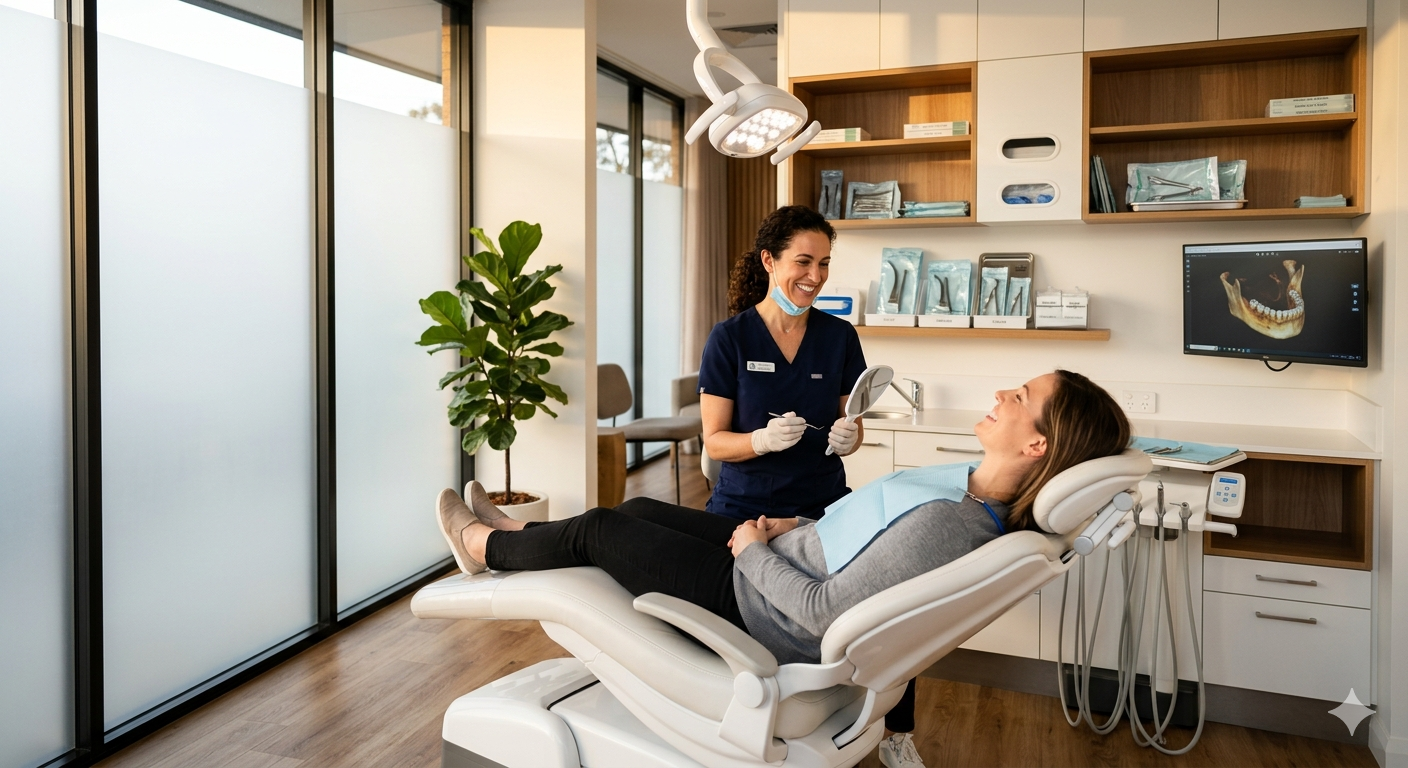
Patients typically begin with a prompt evaluation to identify the nature and severity of the problem. The dentist may take X-rays or visual exams to diagnose issues like broken teeth, infections, or severe pain sources. Next, a treatment plan is explained clearly, including options and timelines.
Staff focus on making patients comfortable, addressing pain with medication if needed before proceeding. Emergency services often involve procedures such as tooth extractions, cavity repairs, or infection control. The visit usually ends with care instructions and follow-up appointments to ensure proper healing.
Flexible Scheduling for Urgent Cases
Clermont dental offices understand emergencies happen without warning, so many offer same-day or next-day appointments for urgent cases. Patients can often call directly and receive guidance on immediate steps for pain relief or first aid before arriving.
Some clinics keep slots open each day specifically for emergency patients, reducing wait times. Evening and weekend hours may also be available to accommodate busy schedules. Prompt scheduling helps prevent worsening conditions and avoids unnecessary trips to the emergency room.
Coordinating with Local Hospitals and Physicians
For complex dental emergencies involving trauma, infections spreading beyond the mouth, or medical complications, dentists work closely with Clermont hospitals and primary care physicians. This coordination ensures patients receive comprehensive treatment when surgery or hospitalization is required.
Dentists provide detailed reports and X-rays to specialists or emergency room staff to speed diagnosis. They also follow up on hospital treatments to manage dental recovery. This teamwork helps patients navigate medical challenges smoothly during stressful situations.
Preventing Future Dental Emergencies
Taking active steps to protect teeth can greatly reduce the chance of painful or costly dental emergencies. Simple daily habits, using proper safety equipment, and maintaining oral health are key to keeping teeth strong and injury-free.
Tips for Protecting Your Teeth at Home
One of the easiest ways to prevent dental emergencies is through mindful daily care. Avoid chewing on hard objects like ice or pens that can crack or chip teeth. Also, keep a close eye on any dental restorations such as crowns or fillings, as damaged ones may lead to emergency visits.
Eating a balanced diet rich in calcium and vitamin D supports strong teeth and bones. If bruxism (teeth grinding) is an issue, especially at night, a custom night guard provides effective protection. Regularly replace worn toothbrushes to prevent gum irritation that can cause other problems.
Preventive Dental Habits
Consistent dental hygiene routines are essential. Brushing twice a day with fluoride toothpaste removes plaque that can cause decay. Flossing daily reaches areas brushing misses, reducing the risk of infection and gum damage.
Scheduling routine dental check-ups allows early detection of issues that might turn into emergencies. Professional cleanings prevent buildup that weakens teeth. Dentists can also monitor for signs of trauma or oral health conditions requiring timely care.
Recommended Safety Gear for Sports
Wearing proper protective gear is crucial during physical activities. Custom-fitted mouthguards are the best option for absorbing impact and preventing broken or knocked-out teeth. Over-the-counter versions are less protective but better than none.
Helmets with face guards should be used for contact sports like football or hockey. This equipment reduces the risk of dental and facial injuries. Parents should encourage young athletes to always wear their gear during practice and games to avoid preventable accidents.
Supporting Children and Seniors in Dental Emergencies
Emergency dental care requires special attention for children and seniors, who often face unique challenges. Both groups may have different needs when it comes to pain management, treatment approaches, and communication during urgent dental visits.
Special Considerations for Kids’ Oral Health
Children’s teeth and gums are more delicate, so quick action is crucial when an emergency occurs. For instance, knocked-out baby teeth usually should not be replanted, but permanent teeth need immediate care to save them.
Parents should keep a dental emergency kit handy, including gauze, a cold pack, and a container with milk to store an avulsed tooth. Calming a child’s fear is important, so dentists use gentle explanations and distraction techniques to make the visit less stressful.
Pain relief often involves child-appropriate doses of medication and cold compresses. Aftercare instructions emphasize avoiding certain foods and encouraging soft diets until healing is complete.
Helping Older Adults Navigate Urgent Dental Situations
Seniors often face complex oral health issues such as dry mouth, gum disease, or fragile teeth, which can complicate emergency treatments. Communication about existing medications and health conditions is essential for safe and effective care.
Dentists may adjust treatment plans to accommodate slower healing rates and mobility challenges. For example, extractions or surgery could require gentler techniques and follow-ups focused on preventing infection.
Many older adults benefit from preventive strategies like frequent check-ups to catch problems early. When emergencies do happen, clear instructions on managing pain and swelling at home help reduce anxiety and promote recovery.
Both kids and seniors deserve careful, thoughtful dental care tailored to their specific needs during emergencies. Reassurance and proper guidance ease the experience and support better outcomes.
Understanding Costs and Insurance Coverage
Costs for emergency dental care in Clermont, FL, can vary widely depending on the treatment needed. Insurance coverage often differs in what it includes for urgent procedures, which can affect out-of-pocket expenses.
Typical Emergency Dental Fees
Emergency dental fees generally depend on the type of care provided. For instance, a simple tooth extraction might cost between $150 and $300. More complex treatments, like root canals or placing a dental crown, can range from $500 to $1,200 or more.
Additional fees may arise for X-rays, pain medications, or sedation if required. Many clinics offer payment plans or sliding scale fees to make urgent care more affordable. It’s important to ask about these options when calling for emergency treatment to understand what costs to expect upfront.
Navigating Dental Insurance for Urgent Care
Most dental insurance plans cover some portion of emergency treatments, but coverage limits and co-pays vary. Basic emergencies like exams and X-rays are often covered at 80-100%, while more extensive procedures might only be partially covered or require higher co-pays.
It’s crucial to verify with your insurance provider whether urgent visits, especially outside normal hours, are included. Some plans exclude certain procedures or emergency fees. Patients should keep their insurance cards handy and inform the clinic to streamline billing and reduce surprises.
Choosing the Right Local Dentist for Emergencies
Finding a reliable local dentist for emergencies in Clermont, FL, means looking for someone who is available when you need them most. Emergency dental care often requires quick action to relieve pain or prevent further damage. A dentist who offers flexible hours, including evenings or weekends, can make all the difference.
Patients should consider qualifications and experience. A dentist with training in trauma care or root canal emergencies is better equipped to handle urgent situations calmly and efficiently. It’s also helpful if the office uses modern technology for faster, more accurate diagnoses.
Comfort matters. A friendly dentist who explains procedures clearly and listens to concerns can ease anxiety during stressful moments. Look for reviews or ask neighbors about their experiences to find someone who combines skill with a gentle touch.
Here’s a quick checklist to keep in mind:
| What to Look For | Why It Matters |
|---|---|
| Emergency Hours | Ensures help is available promptly |
| Experience in urgent care | Expertise leads to better outcomes |
| Modern equipment | Faster diagnosis and treatment |
| Compassionate approach | Reduces patient stress and fear |
Reaching out early to a trusted dentist can help you feel prepared. They can guide you on what to do immediately after an injury or toothache. It’s always a good idea to have a local emergency contact saved, just in case.
When to Seek Additional Medical Care
Sometimes, a dental emergency in Clermont goes beyond what a dentist can handle alone. If a person experiences severe swelling that spreads to the face or neck, they should seek medical attention immediately. This could signal a serious infection that needs urgent treatment.
If there is difficulty breathing or swallowing, it’s critical to get emergency medical care right away. These symptoms may indicate that the airway is compromised, which is a medical emergency.
Uncontrolled bleeding after a dental injury also warrants a visit to the emergency room. If bleeding does not stop within 20 minutes of applying pressure, professional medical help should be sought without delay.
Other signs to watch for include a high fever, severe trauma to the mouth or jaw, or unconsciousness. These situations require collaboration between dentists and medical professionals.
| Symptom | Recommended Action |
|---|---|
| Severe facial or neck swelling | Go to emergency room immediately |
| Breathing or swallowing issues | Call 911 or visit ER right away |
| Uncontrolled bleeding | Seek emergency medical care promptly |
| High fever with dental pain | Consult a doctor and your dentist |
| Loss of consciousness | Call emergency services immediately |
In any uncertain situation, it’s better to err on the side of caution. Emergency dental care in Clermont providers can often guide patients to the right place for additional treatment when necessary.
Frequently Asked Questions
Knowing how to respond quickly and correctly to dental emergencies can ease pain and protect your smile. The answers below address common concerns about severe toothaches, broken teeth, knocked-out teeth, infections, pain relief, and urgent care visits.
What should I do right away if I have a severe toothache that won’t let me sleep?
He should rinse his mouth gently with warm salt water to reduce inflammation. Avoid putting aspirin or painkillers directly on the gums, as this can cause irritation.
Using over-the-counter pain medication as directed can help manage the pain until professional care is available. If the pain worsens or is accompanied by swelling, seek emergency dental care promptly.
How can I tell if a chipped or broken tooth needs same-day treatment?
A visible crack, sharp edges, or pain when biting usually signals the need for urgent care. Blood or swelling around the tooth is also a sign to call a dentist immediately.
Minor chips without pain may wait a day or two for an appointment. However, it’s best to get an evaluation quickly to prevent infection or further damage.
What should I do if a tooth gets knocked out, and how quickly do I need to be seen?
Find the tooth and hold it by the crown, avoiding the root. Rinse it gently with water if dirty, but don’t scrub or dry it.
If possible, place the tooth back in the socket or keep it in milk or a tooth preservation solution. Immediate dental treatment, ideally within 30 minutes, offers the best chance to save the tooth.
Can a dental infection or swelling become dangerous, and what warning signs should I watch for?
Yes, infections can spread and become serious if untreated. Watch for increasing pain, swelling in the face or neck, fever, or difficulty swallowing or breathing.
If these signs occur, seek emergency medical and dental care right away to prevent complications.
What are my options for quick pain relief until I can get to the dentist?
Over-the-counter painkillers like ibuprofen or acetaminophen are helpful. Applying a cold compress to the cheek can reduce swelling and numb the pain.
Avoid using heat, which may increase inflammation, and steer clear of hard or sticky foods that aggravate the area.
What can I expect during an urgent dental visit, and how will you help me feel comfortable?
The dentist will assess the problem quickly and explain treatment options clearly. They focus on relieving pain first, often using modern, gentle techniques.
Comfort measures like numbing agents and sedation options may be offered depending on the situation and patient preference. The goal is to restore health with as little stress as possible.